




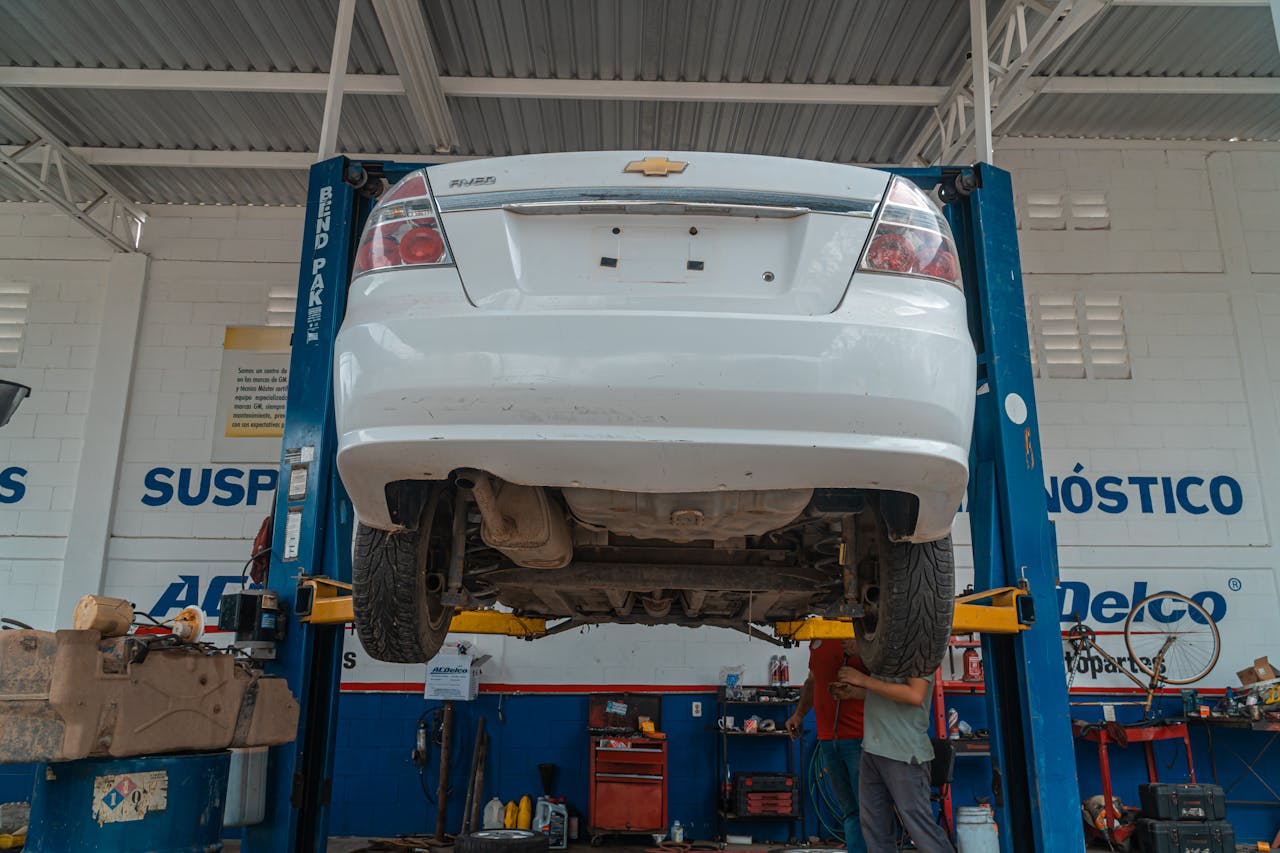
Regular vehicle inspections are a key part of keeping your Chevrolet in top-notch condition. They help you catch minor problems before they turn into major issues, ensuring your car remains safe and dependable. By staying on top of inspections, you not only protect yourself but also those who share the road with you.
Enhancing Safety and Reliability
Regular inspections play a vital role in keeping your Chevrolet safe and reliable. By identifying small issues early, you can tackle them before they turn into big problems. For example, a loose belt or a tiny oil leak might not seem like a big deal initially, but neglecting these could lead to engine damage. Regular checks make sure your vehicle stays in great shape, reducing the risk of sudden breakdowns.
Keeping your vehicle in top performance means your Chevy runs smoothly, delivering the power and efficiency you expect. Routine inspections of your brakes, tires, and other essential components ensure they are functioning properly. A well-maintained vehicle responds better in emergency situations, giving you confidence on the road. This helps in preventing accidents that might occur due to faulty systems.
Inspections don’t just find problems—they also check if everything is working right. This way, you’re always driving a car that performs reliably under various conditions. By making sure each part of your car is in good order, you can prevent unexpected mechanical failures, enhancing both safety and driving pleasure.
Preserving Vehicle Value
Keeping thorough inspection records helps preserve your vehicle’s value. When buying or selling a Chevrolet, a documented maintenance history proves that the vehicle has been well cared for, making it more appealing to buyers. Each recorded inspection tells a story of proper maintenance, reassuring potential owners about the car’s condition.
Routine inspections can positively impact resale value. A car that has been regularly inspected and maintained tends to suffer less wear and tear, meaning it stays in good condition longer. Prospective buyers often look for cars with a proven track record of care, which can help you fetch a better price when it’s time to sell or trade.
In addition to boosting resale value, regular inspections lead to long-term cost savings. By addressing minor issues promptly, you prevent them from becoming costly repairs. A well-maintained vehicle also runs more efficiently, saving money on fuel over time. These savings add up, making routine inspections a smart investment for any Chevrolet owner aiming to maintain their car’s value.
Environmental Impact
Regular vehicle inspections contribute positively to the environment. By sticking to a maintenance schedule, you can significantly reduce emissions from your Chevrolet. Inspections help ensure systems like the catalytic converter and oxygen sensors function properly, keeping harmful pollutants in check. Preventing excess emissions is good for the planet and aligns with environmental laws and standards.
Checking the exhaust system during inspections is crucial. A compromised exhaust can lead to harmful leaks and increased pollution. Rust or damage can affect the way emissions are filtered, so regular checks keep this system efficient. Repairing or replacing faulty parts ensures your vehicle runs cleaner.
Fuel efficiency improvements result from routine checks, which can lead to lower emissions. When your engine runs smoothly, it uses fuel more efficiently, which reduces your carbon footprint.
Understanding the Inspection Process
Understanding what happens during a vehicle inspection helps owners stay informed. Skilled technicians examine key components, including brakes, tires, steering, and lights. Fluid levels and filters are checked, and the engine is inspected for any signs of trouble. A comprehensive inspection covers all major systems to ensure everything works as it should.
The frequency of inspections depends on the vehicle’s age and usage. Typically, having your Chevrolet inspected every year or every 10,000 to 15,000 miles is recommended. More frequent checks might be necessary if you drive under harsh conditions.
When you take your car for an inspection, expect a detailed report. This report outlines any issues found, along with recommended fixes. It gives you a complete picture of your vehicle’s health. Staying regular with inspections helps maintain your car’s longevity and performance.
Conclusion
Regular vehicle inspections are vital for maintaining the health and value of your Chevrolet. They enhance safety by catching small issues early, preserve the car’s value by maintaining a detailed service history, and contribute to a cleaner environment by ensuring efficient performance.
Are you ready to give your Chevrolet the care it deserves? Schedule your next Chevy service inspection with Advantage Chevrolet, where our expert team will ensure your vehicle is performing at its best. Whether for routine maintenance or addressing specific concerns, we’re here to help your car stay in top shape. Visit us today, and let’s get your Chevy running smoothly!

When it comes to family driving, choosing the right vehicle is key. Chevrolet offers a range of models that cater to the needs of families, providing comfort, safety, and flexibility. These vehicles offer the space and features necessary for both short trips around town and long family road trips. Read on to discover what makes our Chevrolet models stand out as fantastic choices for families focused on safety, convenience, and enjoyment.
Chevrolet Traverse: The Spacious Leader
The Chevrolet Traverse is a standout choice for families who need plenty of room. It is designed with ample seating and cargo space to accommodate both passengers and their gear. With available seating for up to eight people, the Traverse ensures that everyone in the family has a comfortable ride. Additionally, the third row folds down easily, creating a generous cargo space for strollers, sports equipment, or anything else your family might need for an outing.
The Traverse also shines in the technology department, making journeys more enjoyable and safe. It features an impressive infotainment system that keeps both kids and adults entertained. Options such as a Wi-Fi hotspot, multiple USB ports, and a quality sound system add to the convenience. Safety is a top priority, and the Traverse includes advanced safety technologies like forward collision alert, lane keep assist, and rear vision cameras to help protect your family on the road.
Handling and ride smoothness set the Traverse apart. It offers a quiet ride, minimizing road noise and vibrations that can disrupt the peace. Its handling is responsive, making it easy to drive in various conditions.
Chevrolet Equinox: Versatile and Efficient
Chevrolet Equinox offers families a versatile and efficient option for their travels. Known for its fuel efficiency, the Equinox is ideal for family trips, whether it’s a cross-country adventure or a weekend getaway. Its engines offer economical fuel consumption, saving money at the pump and reducing the frequency of refueling stops on long journeys.
Safety is at the heart of the Equinox’s design. It boasts stellar safety ratings, providing parents with peace of mind. The car is equipped with advanced driver-assist features like automatic emergency braking, pedestrian detection, and adaptive cruise control. These features work together to create a safer driving environment, reducing the potential for accidents.
The interior of the Equinox is intelligently designed to cater to various family needs. Its flexible seating arrangement allows you to easily adjust for different cargo and passenger combinations. The rear seats fold flat, expanding the cargo area for larger items. Additionally, thoughtful storage spaces throughout the cabin make organizing your family’s essentials a breeze.
Chevrolet Tahoe: Robust and Reliable
The Chevrolet Tahoe stands strong as a favorite among families seeking a robust and reliable vehicle. Known for its impressive towing capacity, the Tahoe is perfect for family adventures that require hauling a boat, camper, or trailer. With a towing capacity that can handle heavy loads, this SUV is built for families who love to enjoy the great outdoors.
Inside, the Tahoe offers a luxurious experience with its premium materials and comfort features. The spacious interior provides ample legroom for passengers, ensuring a relaxing trip even on long drives. The Tahoe guarantees a comfortable journey with premium features like leather seating and an advanced climate control system.
The Tahoe’s long-standing reputation for durability makes it a reliable choice for families. Its sturdy build and dependable performance have earned the trust of drivers over the years. Whether navigating city streets or rugged terrain, the Tahoe delivers consistent performance, making it a wise investment for families looking for a vehicle that withstands the test of time.
Chevrolet Bolt EV: Eco-Friendly Family Option
For families interested in an environmentally friendly vehicle, the Chevrolet Bolt EV offers an excellent choice. Driving an electric vehicle like the Bolt EV comes with significant environmental benefits, such as reducing carbon emissions and contributing to cleaner air. With a range that accommodates typical daily driving needs, the Bolt EV is perfect for eco-conscious families.
The Bolt EV provides cost savings on fuel and maintenance. Charging an electric vehicle is generally more economical than refueling a gas-powered car, leading to savings over time. Additionally, electric cars typically have fewer mechanical parts, reducing maintenance costs and offering long-term financial benefits for families.
Despite its compact design, the Bolt EV surprises with its interior space. The carefully organized cabin maximizes room for passengers and cargo, making it practical for family use. The foldable rear seats allow for extra storage space, accommodating everything from groceries to school projects.
Conclusion
Choosing the right Chevrolet model for your family involves balancing space, efficiency, and reliability. Both the Tahoe and Bolt EV bring unique benefits that cater to the diverse needs of families today. Whether you’re hauling gear for outdoor excursions or cutting down on fuel costs with an eco-friendly option, Chevrolet offers models that align with your priorities.
Explore the family-friendly features available in Chevrolet vehicles by visiting Advantage Chevrolet today. Our knowledgeable team is ready to assist you in finding the perfect car for your family adventures. Discover how a Chevrolet in New York can meet your family’s needs, ensuring safety, comfort, and satisfaction on every drive.

Buying a used car can be a smart choice, offering great value if you know what to look for. However, it’s important to be aware of common issues that can arise with pre-owned vehicles. Knowing what to check can help you avoid unexpected problems and expenses down the line.
Whether you’re inspecting a Chevrolet or any other brand, looking closely at the car’s mechanical parts, electrical systems, and overall condition is crucial. This means examining the engine and transmission, making sure the brakes are in good shape, and checking for any signs of rust or damage on the body.
A thorough review of the vehicle’s history is just as important. Service records and any past recalls provide valuable insights into how the car was previously cared for. By understanding what to look out for, you ensure a better buying experience and enjoy your new-to-you car with confidence.
Mechanical Inspection Essentials
When buying a used car, inspecting the mechanical components is crucial to avoid costly repairs later. Start by checking the engine and transmission. Listen for any unusual noises or vibrations when the engine is running. Smoke from the exhaust or an engine that struggles to start are red flags. The transmission should shift smoothly without jerking or delays. Whether automatic or manual, make sure there’s no hesitation during acceleration or strange noises while driving.
Next, look at the brakes and suspension. Well-functioning brakes are essential for safety. Listen for grinding or squealing sounds, which might indicate worn-out brake pads. A soft or spongy brake pedal might also signal issues. Check the suspension by bouncing each corner of the car. It should settle quickly without too much swaying. Watch for uneven tire wear, which might mean alignment or suspension problems.
Don’t forget to examine the exhaust system. Rust and holes can develop over time, leading to exhaust leaks. A rattling noise while idling might suggest a loose or damaged exhaust component. It’s important that the exhaust system is secure and free of visible damage.
Electrical System Concerns
Before purchasing a used car, ensure the electrical system is in good condition. Start with the battery. Look for any corrosion or leaks. The car should start easily without hesitations, as a weak battery could mean the need for replacement soon. Electrical problems can cause various other issues, so a healthy battery is vital.
Next, test all lights and signals. Turn on the headlights, brake lights, and indicator signals to confirm they work properly. Ensure dashboard lights and interior illumination are functioning, too. Non-working lights might indicate simple bulb replacements or more serious wiring issues.
Finally, evaluate the infotainment and navigation systems. Try using the radio, CD player, or smartphone interfaces to see if they work without glitches. Test the navigation system if available, and check all the buttons and touchscreens. Malfunctions in these systems can be costly to repair. By thoroughly checking the electrical components, you ensure you won’t face unexpected surprises.
Interior and Exterior Red Flags
When buying a used car, inspecting the interior and exterior can reveal important details about its past. Start with the exterior by looking for rust and body damage. Rust can spread quickly, especially under the car and around the wheel wells. Check for mismatched paint or panels, which may indicate a repair after an accident. Look at the condition of the windows and mirrors for any cracks or chips that need fixing.
Inside, examine the upholstery condition. Wear and tear on the seats, particularly on the driver’s side, can give you a sense of the car’s age and usage. Inspect the carpet and ceiling fabric for stains or tears. A damp or musty odor might suggest water damage, which can be a major problem.
Signs of previous accidents can be found through careful inspection. Uneven gaps between panels or doors that don’t close smoothly may point to past repairs. Pay attention to any unusual noises when opening or closing doors, indicating possible previous damage. These checks help ensure you know what you’re getting with a used car.
Importance of Vehicle History
Reviewing the vehicle’s history provides valuable insights into its condition. Start by understanding service records. A car that has been regularly serviced usually indicates a well-maintained vehicle. Look for records of oil changes, brake checks, and other routine maintenance. Consistent records help predict future reliability.
Next, review recall information. Check if the car was subject to any recalls and if the necessary repairs were completed. Unresolved recalls might pose safety risks. You can obtain this information from various online resources or through the vehicle’s VIN.
Finally, a professional inspection is crucial before finalizing any purchase. Hiring a trusted mechanic to look over the car can uncover hidden issues you might have missed. They can identify problems like frame damage or internal engine issues that aren’t visible to the untrained eye. Investing in a professional inspection adds an extra layer of assurance.
Conclusion
Purchasing a used car requires careful attention to detail. By focusing on mechanical, electrical, and physical aspects, you can avoid costly issues. Trusting a professional for an in-depth inspection also plays a key role. Researching the vehicle’s history can offer peace of mind and help make a more informed decision.
For those in Brooklyn seeking used cars, it’s important to connect with a reputable dealership that offers transparent and reliable service. Visiting Advantage Chevrolet provides an opportunity to explore a wide range of quality used cars. At Advantage Chevrolet, our team of Chevrolet dealers in New York helps ensure you drive away with confidence in your purchase, making the car-buying experience both enjoyable and worry-free.

Choosing the right car can be a thrilling yet challenging task. With various models to pick from, Chevrolet offers options that cater to different lifestyles and needs. Whether you’re a solo city dweller, part of a growing family, or someone who needs a reliable work truck, there’s a Chevrolet model for you. The key is to match the features and benefits of each model with your daily life and plans.
Start by assessing what you need most from a vehicle. Think about how many passengers you usually have and how much cargo space is required. Fuel efficiency and driving range are also important, especially if you have a long commute. Consider what features are must-haves to ensure comfort and convenience as you drive.
Once you know what you’re looking for, you can explore the model options that best fit your lifestyle. Understanding available technology and safety features can further enhance your driving experience and help you make a decision you’ll be happy with. Finally, taking a test drive is the best way to see if a particular Chevrolet model truly meets your expectations.
Assessing Your Daily Needs
When choosing a new Chevrolet, the first step is to think about your daily lifestyle and what you need from a car. Start by evaluating the passenger capacity and cargo space you require. If you have a big family or often carpool, you’ll want a vehicle with plenty of seating and room for everyone’s belongings. On the other hand, if you usually drive alone or with one passenger, a smaller car with less cargo space might work just fine.
Fuel efficiency and driving range should also play a role in your decision. Consider how far you typically drive each day. If you have a long commute, a model with higher miles per gallon can save you money at the pump and reduce your stops for gas. This is especially important for those who frequently travel or commute long distances for work or errands.
Finally, identify must-have features that suit your personal preferences and lifestyle. Do you spend a lot of time driving in bad weather? Then, features like all-wheel drive or advanced safety systems can be helpful. If you enjoy tech gadgets, you might want a model with the latest infotainment systems and connectivity options. Make a list of these features so you can easily compare them as you look at different models.
Exploring Model Options by Lifestyle
Once you know what you need in a vehicle, it’s time to explore Chevrolet models that align with your lifestyle. Whether you’re navigating bustling city streets, planning family road trips, or tackling rugged terrains, there’s a model that’s right for you.
For city driving, compact cars are an excellent choice. They’re small enough to fit into tight parking spots and easy to maneuver through traffic. Chevrolet offers models like the Spark and Malibu that provide efficiency without compromising on style or comfort.
If you have a family or love outdoor adventures, consider SUVs or crossovers. These vehicles, such as the Chevrolet Equinox or Traverse, offer ample passenger space and storage options. They combine the ruggedness needed for adventure with features that families value, like advanced safety systems and entertainment features.
Trucks are ideal for those who need extra power for work or towing. Models like the Chevrolet Silverado and Colorado deliver impressive towing capabilities and durable designs. They are perfect for hauling equipment or going off-road while still maintaining comfort and technology for daily driving. Prioritize your lifestyle needs, and there’s a Chevrolet model ready to meet them.
Understanding Chevrolet Technology and Safety Features
Chevrolet vehicles come equipped with a variety of technology and safety features designed to enhance your driving experience. A key focus is on connectivity and entertainment. Many models offer infotainment systems with touchscreen displays that integrate with smartphones using Apple CarPlay and Android Auto. This allows you to access music, make calls, and use navigation apps directly from the car’s interface, providing a seamless connection between your daily technology and your ride.
Safety is a top priority in every Chevrolet vehicle. Look for models with features like forward collision alert, automatic emergency braking, and lane keeping assist. These technologies work together to prevent accidents and protect passengers. Blind spot monitoring and rearview cameras also make driving safer by increasing your awareness of the surroundings.
Advanced technology can significantly elevate your driving experience, making it more enjoyable and convenient. Features like adaptive cruise control adjust speed to maintain a safe distance from the vehicle ahead, reducing driver fatigue on long trips. The availability of multiple driver profiles means everyone can have their personalized settings, from seat positions to climate control preferences, quickly at hand. Understanding these options helps ensure your Chevrolet meets all your modern needs.
Test Driving and Making Your Decision
The test drive is a crucial step in choosing the right Chevrolet model. It allows you to experience the car firsthand and ensure it meets your expectations. Before heading to the dealership, prepare by listing features or aspects you want to explore during the drive. Think about things like seat comfort, dashboard visibility, and how intuitive the controls feel.
During the test drive, take note of several important factors. Evaluate the vehicle’s handling and how smooth it feels over different road surfaces. Check the responsiveness of the brakes and acceleration. Pay attention to noise levels inside the cabin and how easy it is to park, especially in tight spots. Assess the visibility from the driver’s seat to confirm whether it suits your needs.
Once you’ve completed the test drive, reflect on your observations. Consider how well the vehicle matches your list of must-have features and daily needs. Trust your instincts and how comfortable you felt behind the wheel. When evaluating different models, weigh the pros and cons until you find the Chevrolet that fits your lifestyle perfectly.
Conclusion
Choosing the best Chevrolet model for your lifestyle ensures you enjoy every drive, whether you’re navigating city streets, embarking on family adventures, or hauling equipment for work. By assessing your needs and exploring the wide range of available models, you can find the vehicle that perfectly suits your daily routine and long-term plans. Be sure to leverage the latest technology and safety enhancements to add value to your driving experience and provide peace of mind on the road.
When ready to find the Chevrolet that fits your lifestyle, visit Advantage Chevrolet. Our knowledgeable team of Chevrolet dealers in New York is here to guide you through the selection process, offering insights and assistance to ensure you pick the perfect model. Test drive your favorites, explore features firsthand, and drive away in a Chevrolet that’s just right for you.
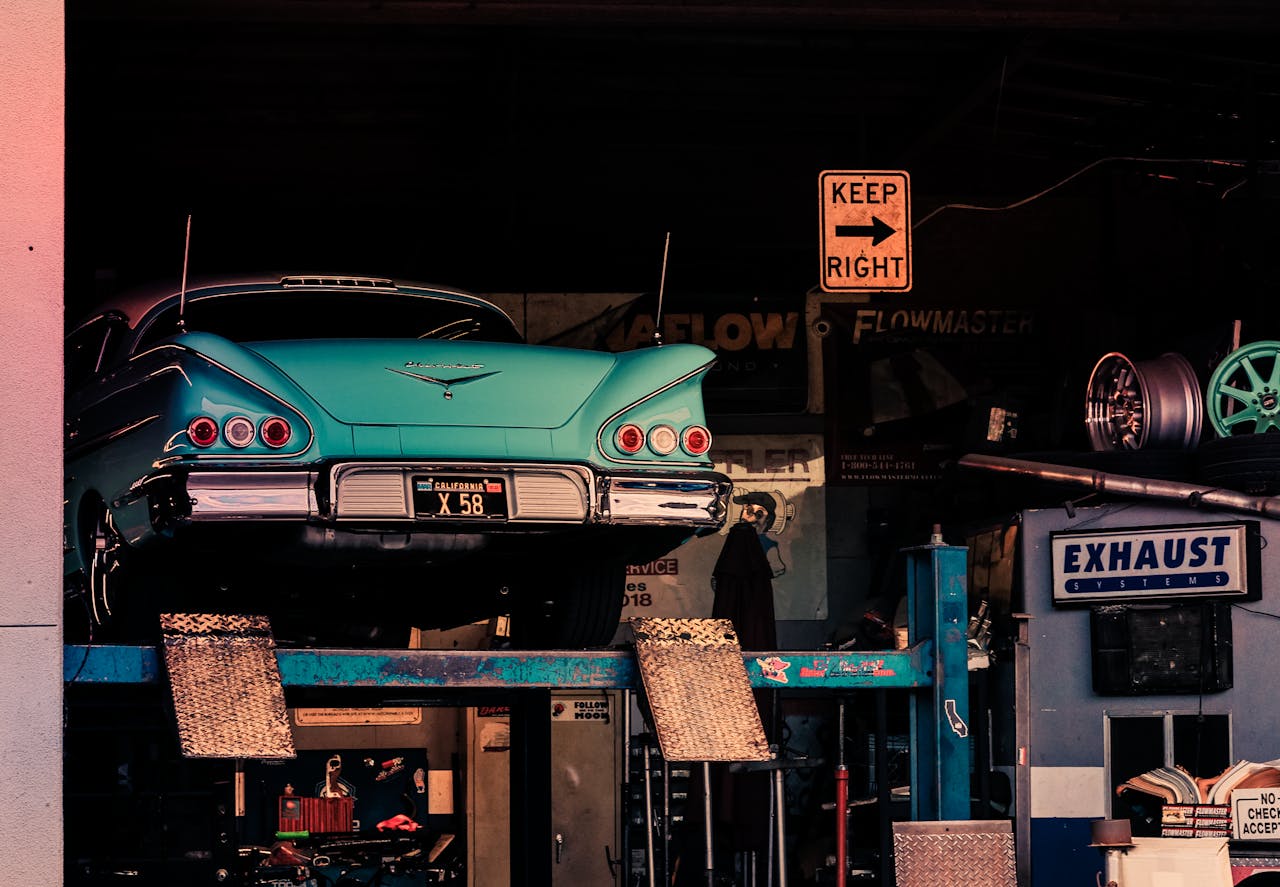
Keeping your Chevrolet in great condition is easier than you might think. Regular maintenance not only ensures your car runs smoothly but also extends its lifespan. A few simple tasks done regularly can prevent bigger problems down the road and keep your Chevy looking and performing like new.
Understanding basic maintenance essentials helps you know what to look for in your vehicle. From regular oil changes to checking tire pressure, these small steps make a big difference in the well-being of your car. Plus, knowing when to replace parts like air filters and wiper blades can improve your driving experience.
Sometimes, you’ll need to let the pros handle certain issues, like brake wear or warning lights on the dashboard. Recognizing the signs that require professional service can help prevent more serious problems. By following these simple maintenance tips, you ensure that your Chevrolet stays reliable and safe for all your journeys.
Understanding Basic Maintenance Essentials
Regular maintenance is crucial for keeping your Chevrolet running smoothly and avoiding costly repairs. It’s about more than just saving money—it’s about safety and reliability. Skipping maintenance can lead to bigger problems like engine damage or brake failure, which can turn into expensive fixes.
Key components to monitor include the engine oil, brakes, tires, and the car battery. Keeping an eye on these parts helps you catch issues early before they become serious. For example, regular oil changes keep the engine lubricated and prevent overheating. Checking the brakes ensures they are responsive and safe, while maintaining proper tire pressure improves fuel efficiency and handling. A strong battery is essential for starting your engine, especially in cold weather.
Maintaining your Chevrolet also provides several benefits. With proper care, you can extend the life of your vehicle, improve its resale value, and enhance its performance on the road. A well-maintained car also provides peace of mind because you know it’s reliable and safe to drive. By understanding these basic maintenance essentials, you ensure that your Chevy stays in top condition for all your driving adventures.
Routine DIY Maintenance Tasks
Taking care of simple maintenance tasks yourself can save time and money. Many tasks don’t require much skill, and with a little practice, you can do them at home. Here’s a list of routine DIY maintenance tasks to keep your Chevrolet in good shape:
1. Checking and Changing Engine Oil: Regularly check the oil level using the dipstick. If the oil looks dirty or the level is low, it’s time for an oil change. Follow your car’s manual for the right type of oil and the frequency of changes.
2. Inspecting Tires and Maintaining Proper Pressure: Regularly inspect your tires for wear and tear. Check the tire pressure at least once a month using a tire pressure gauge. Correct tire pressure improves fuel economy and extends tire life.
3. Replacing Air Filters and Wiper Blades: A clean air filter improves engine performance and fuel efficiency. Check the filter every few months and replace it if it’s dirty. Wiper blades should be replaced every six months or when they leave streaks to ensure clear visibility during rain.
By handling these tasks yourself, you gain confidence and learn more about your vehicle. Plus, staying on top of these maintenance tasks helps your Chevrolet perform its best, keeping you safe and comfortable on the road.
Recognizing When to Seek Professional Help
While handling some maintenance tasks yourself is a great way to save time and money, certain signs indicate it’s time to consult a professional. One crucial area is brake maintenance. If you notice squeaking, grinding noises, or a soft brake pedal, it’s essential to have your brakes inspected. These signs may indicate worn brake pads or other issues that require expert attention to ensure safety.
Understanding the warning lights on your dashboard can also help you know when to seek professional help. Dashboard lights, such as the check engine light, indicate potential problems that need diagnosis. Ignoring these warnings could turn minor issues into significant repairs. It’s wise to have a trusted mechanic run a diagnostic test to uncover the underlying cause of any warning lights.
Scheduling professional service is also recommended for routine tasks like transmission checks, wheel alignments, and exhaust system repairs. These areas require specialized equipment and expertise to ensure everything is functioning correctly. Developing a relationship with a reliable service center will help maintain your Chevrolet’s performance and longevity over time.
Seasonal Maintenance Considerations
Preparing your Chevrolet for different seasons is vital to ensure it performs well under various conditions. Winter weather requires extra care, such as checking your antifreeze levels and ensuring your heater works properly. It’s also a good time to switch to winter tires if you live in an area with heavy snow. Clear out any snow buildup around the wheel wells to avoid obstruction.
For summer months, focus on optimizing your vehicle’s performance by checking the air conditioning system and coolant levels. Hot weather can stress the engine, so ensure the radiator is filled with the correct coolant mix. Also, consider parking in shaded areas whenever possible to protect the interior and exterior from sun damage.
Handling seasonal transitions involves checking wiper blades and ensuring the windshield washer reservoir is full. Keep an emergency kit in the trunk with essentials like a flashlight, blanket, and jumper cables, just in case. By following these maintenance tips, your Chevrolet will be ready for anything the seasons throw your way.
Conclusion
Proper maintenance of your Chevrolet is essential for its longevity and reliable performance. By regularly attending to the basics, completing simple DIY tasks, and recognizing when to seek professional care, you ensure that your Chevrolet remains a dependable companion on the road. Understanding the importance of seasonal maintenance also prepares you for changing weather conditions and keeps your driving experience smooth and safe.
To achieve the best possible care for your Chevrolet, consider scheduling regular check-ups and service appointments. At Advantage Chevrolet, we offer a comprehensive range of services to keep your vehicle in peak condition. Visit our Chevy car service center or schedule an appointment online today to ensure your Chevy stays reliable and efficient for all your future journeys.
Opting for a certified pre-owned Chevrolet is a smart choice for anyone looking to balance quality and cost. These vehicles offer the peace of mind that comes with a thorough inspection and added benefits that regular used cars don’t provide. A certified pre-owned car combines the reliability of a new car with the savings of a used one, making it a great option for many buyers.
One of the key benefits is the rigorous inspection process each vehicle undergoes. This ensures that only the best pre-owned cars receive the certified label. Plus, the inclusion of extended warranties and services like roadside assistance adds extra value and security to your purchase.
Understanding the financial advantages of certified pre-owned Chevrolets can also be a big help. These cars typically have lower depreciation rates and come with attractive financing options, making them more affordable over time. By choosing a certified pre-owned vehicle, you’re making a wise investment that offers both reliability and cost efficiency.
What Makes a Chevrolet Certified Pre-Owned?
A Chevrolet-certified pre-owned vehicle offers buyers confidence due to its rigorous standards. The process begins with a thorough inspection. Each car must pass a detailed 172-point inspection that checks everything from the engine to the interior. Technicians ensure that each component meets strict standards, so you’re getting a car that performs well and looks great.
Certification criteria are just as important. Not every used Chevrolet can become certified. Cars must be within six model years of age and have fewer than 75,000 miles. Additionally, the vehicle must have a clean title history. This narrow qualification window means buyers get a vehicle that still has plenty of life left.
Understanding the difference between a pre-owned vehicle and a certified pre-owned one is crucial. While any used car can be labeled pre-owned, only those that meet the specific criteria can be certified. This certification acts as a promise to buyers that the vehicle upholds the quality and dependability of the Chevrolet brand. Investing in a certified pre-owned car means choosing reliability with the assurance of a manufacturer-backed guarantee.
Benefits of Buying Certified Pre-Owned Chevrolets
Purchasing a certified pre-owned Chevrolet comes with several exciting benefits. One of the most appealing is the extended warranties and coverage that accompany these vehicles. Certified models often include an extended powertrain warranty, which provides peace of mind well after you drive off the lot. This warranty typically covers vital components of the car, ensuring you’re protected against unexpected issues.
Another significant benefit is the inclusion of roadside assistance. Knowing help is available if you have a flat tire or run out of gas adds a layer of convenience and security to your driving experience. Additionally, certified pre-owned Chevrolets come with a variety of perks like trial subscriptions to satellite radio or OnStar services.
These cars are usually low-mileage vehicles, adding to their appeal. This means they’ve experienced less wear and tear compared to higher-mileage cars. Each certified vehicle also includes a comprehensive vehicle history report. This report provides details about past ownership, accidents, and any service records, allowing you to make an informed purchase. Altogether, buying a certified pre-owned Chevrolet means taking advantage of these benefits and enjoying a high-quality vehicle at a fraction of the new car cost.
Financial Advantages of Certified Pre-Owned Chevrolets
Opting for a certified pre-owned Chevrolet offers several financial perks that make it an attractive option for many buyers. One of the major advantages is the cost savings compared to purchasing a new car. Certified pre-owned vehicles are often significantly less expensive than new ones, allowing you to enjoy the benefits of driving a Chevrolet without the higher price tag.
Lower depreciation rates also provide a financial edge. New cars depreciate quickly once they leave the dealership, but certified pre-owned vehicles have already undergone the steepest part of depreciation. This means you retain more value in your purchase, a smart move if you plan to resell the car in the future.
Moreover, attractive financing options are available for certified pre-owned Chevrolets. Dealerships often offer competitive interest rates and flexible loan terms, making it easier to fit the vehicle into your budget. With these financial benefits, buying a certified pre-owned Chevrolet can be a practical and budget-friendly decision.
Making the Most of Your Certified Pre-Owned Purchase
Once you’ve purchased a certified pre-owned Chevrolet, it’s essential to keep it in top condition to maximize your investment. Regular maintenance is key to ensuring the car remains reliable and performs well over the years. Follow the maintenance schedule recommended in your vehicle’s manual, which will help prevent major issues and costly repairs down the road.
To maximize your vehicle’s lifespan, consider these simple tips:
- Keep up with oil changes and tire rotations.
- Check fluid levels regularly and refill as needed.
- Replace worn-out parts, such as brake pads and filters, promptly.
Taking advantage of dealership services and benefits is also important. Many certified pre-owned programs offer complimentary maintenance services or discounts. Utilizing these benefits can save you money while providing professional care for your vehicle. By staying proactive with maintenance, you ensure your Chevrolet remains a reliable companion for years to come.
Conclusion
Buying a certified pre-owned Chevrolet is a wise choice for anyone looking to balance quality, reliability, and cost. With rigorous inspections, extended warranties, and financial savings, these vehicles give you peace of mind while keeping your budget intact. Certified pre-owned Chevrolets offer dependable performance without the premium price, making them an excellent option for savvy shoppers.
If you’re ready to experience the benefits of a certified pre-owned Chevrolet, visit Advantage Chevrolet. Our knowledgeable staff is here to help you find the perfect vehicle that meets your needs and fits your budget. Swing by today and take a test drive, or explore our wide selection of certified pre-owned vehicles and see how easy it is to drive home your dream car.
Essential Tips for First-Time Chevrolet Car Buyers
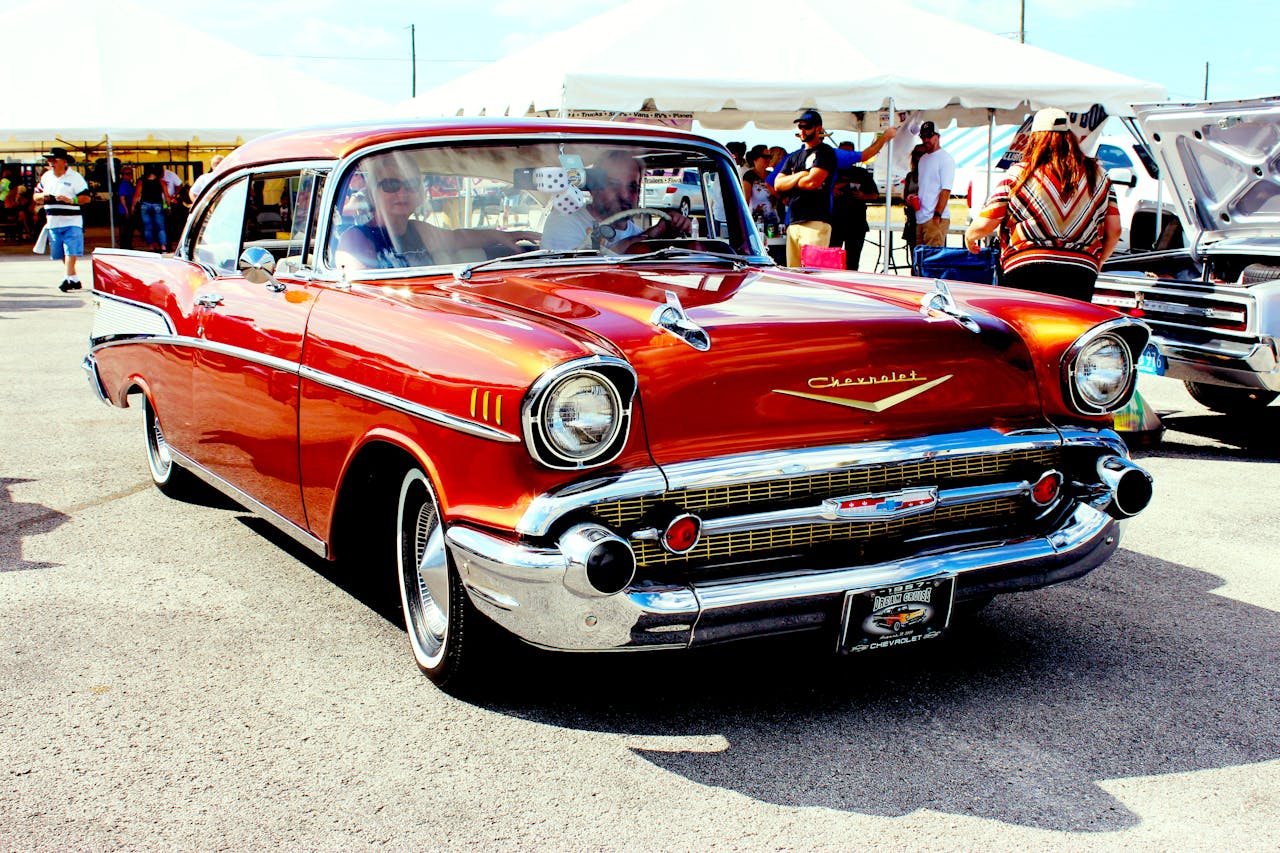
Buying a Chevrolet for the first time can be an exciting yet overwhelming experience. From picking the perfect model to understanding financial options, there are many aspects to consider. Taking the time to research and prepare can help make the process smoother and more enjoyable.
One of the first steps is researching the various Chevrolet models to find the one that fits your needs and lifestyle. Understanding the key features and comparing new versus used options can guide you in making an informed decision. Financial planning is another crucial aspect. Setting a realistic budget and exploring different financing options will help you understand what you can afford and secure the best deal.
Test drives are essential for getting a feel for the car and making sure it meets your expectations. Finally, knowing how to negotiate and understanding warranties and aftercare will set you on the path to success. These essential tips can help you navigate the car-buying process with confidence and joy.
Researching Your Ideal Chevrolet Model
Importance of Researching Models
Before stepping into a dealership, it’s essential to spend some time researching Chevrolet models. This helps you understand which models suit your needs and preferences. By knowing the available options, you can make a more informed decision and avoid impulse buying. Researching models also allows you to compare features, prices, and reviews, ensuring you get the best value for your money.
Key Features to Consider
When choosing a Chevrolet, focus on features that matter most to you. Consider factors like fuel efficiency, safety features, technology, and interior space. If you have a family, you might prioritize models with advanced safety systems and ample seating. For tech enthusiasts, models with state-of-the-art infotainment systems and connectivity options might be more appealing. Don’t forget to look at performance aspects such as engine power, handling, and towing capacity if you plan on using the vehicle for heavy-duty tasks.
Comparing New vs. Used Options
Deciding between a new and a used Chevrolet is an important part of your research. New cars come with the latest features, full warranties, and no prior wear and tear. However, they are more expensive. Used cars, on the other hand, are more affordable and can still offer great value if they are well-maintained. Certified Pre-Owned (CPO) Chevrolet vehicles often come with extended warranties and have undergone rigorous inspections. Weigh the pros and cons of each option to find what best suits your budget and needs.
Understanding Financing and Budgeting
Setting a Realistic Budget
Setting a realistic budget is a critical step in buying your first Chevrolet. Begin by reviewing your financial situation to determine how much you can afford for a down payment and monthly payments. It’s advisable to follow the 20/4/10 rule: make a 20% down payment, finance the car for no more than four years, and ensure your total monthly car expenses do not exceed 10% of your gross income. This helps you avoid financial strain while enjoying your new vehicle.
Exploring Loan and Lease Options
Chevrolet offers both loan and lease options, each with its own benefits. A loan allows you to own the car after all payments are made, which is ideal for long-term use. Leasing, however, generally requires lower monthly payments and lets you drive a new car every few years. Consider how long you plan to keep the car and your driving habits to decide which option is best. Discuss various finance packages with the dealership to get the most favorable terms.
Importance of Pre-Approval
Getting pre-approved for a loan before visiting the dealership can simplify the buying process. Pre-approval gives you a clear idea of your financing options and the interest rates you qualify for. This information helps you set a realistic budget and strengthens your negotiating position. To get pre-approved, check your credit score, gather necessary documents like proof of income, and apply through your bank or credit union. Pre-approval can save time and often lead to better financing offers from the dealer.
Making the Most of Test Drives
Preparing for Your Test Drive
Before heading out for a test drive, it’s important to prepare. Make a list of your must-have features and any specific questions you have about the vehicle. Bring your driver’s license and any paperwork needed. Wear comfortable shoes and bring someone else along for a second opinion. Preparing ahead of time helps you focus on evaluating the car rather than getting overwhelmed.
What to Look for During the Drive
During the test drive, pay attention to how the car handles, accelerates, and brakes. Listen for any unusual noises and check that all features work properly, including the air conditioning, infotainment system, and safety features. Test the car on various road types, such as highways and local streets, to gauge its performance in different conditions. Adjust the seats and mirrors to ensure comfort and visibility.
Questions to Ask the Dealer
Before and after the test drive, ask the dealer questions about the vehicle’s history, especially if it’s a used car. Inquire about the warranty, maintenance history, and any repairs. Ask about fuel efficiency, resale value, and any current promotions. Understanding these details helps you make an informed decision and avoids any surprises down the road.
Finalizing Your Purchase and Aftercare Tips
Negotiating the Best Deal
Once you’ve decided on a model, it’s time to negotiate the best deal. Research the average price for the car to know what you should be paying. Don’t be afraid to walk away if the dealer’s offer doesn’t meet your expectations. Be prepared to negotiate on the price, financing terms, and any add-ons. Sometimes, mentioning you’re pre-approved for a loan can give you leverage in negotiations.
Understanding Warranties and Aftercare
Understanding the warranties and aftercare services offered is crucial. Most new Chevrolets come with a manufacturer’s warranty that covers repairs and defects for a set period. Ensure you know what is covered and for how long. Ask about extended warranty options and what they include. Knowing this information helps you save on future repair costs and keeps your car running smoothly.
Essential Maintenance Tips for New Owners
Taking care of your new Chevrolet extends its lifespan and ensures a smooth driving experience. Follow the maintenance schedule recommended in the owner’s manual, including regular oil changes, tire rotations, and brake inspections. Keep the car clean, both inside and out, to maintain its value. Always use genuine Chevrolet parts for replacements and repairs to ensure compatibility and reliability.
Conclusion
Buying your first Chevrolet can be a rewarding experience when you are well-prepared. From researching the perfect model to understanding financing options and making the most of your test drive, every step is important. Finalizing your purchase with a good deal and knowing how to take care of your vehicle ensures you enjoy your new ride for years to come.
If you’re ready to take the next step in buying your Chevrolet, visit Advantage Chevrolet. Our team of Chevrolet dealers in New York is here to help you find the perfect car and guide you through every step of the process. Drive home in your dream Chevrolet today!
Maximize Your Chevrolet Trade-In Value Today
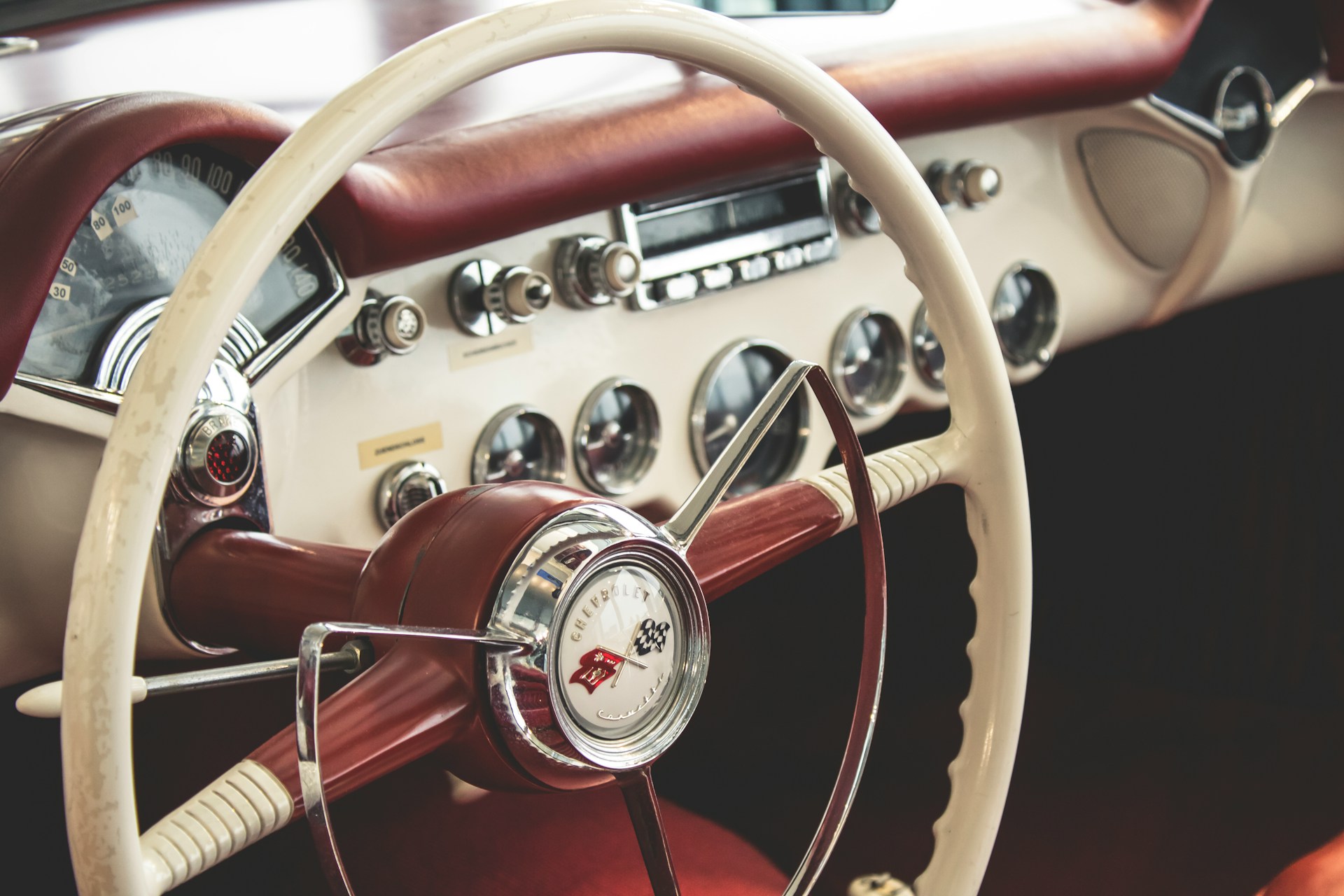
Trading in your old car can be a great way to lower the cost of your new Chevrolet. However, to get the best value for your trade-in, you need to take several steps to prepare. Every little detail counts, from ensuring your car is clean and well-maintained to having all necessary documents ready. These efforts can significantly impact the offer you receive from the dealership.
Research plays a big role in maximizing your trade-in value. Knowing how much your car is worth using online tools and comparing offers from different dealerships can help you make an informed decision. Timing your trade-in and highlighting your vehicle’s best features can also make a big difference in what you get.
As you get closer to finalizing the trade-in, understanding the process and knowing what to expect can save you time and stress. By taking these steps, you can be more confident that you are getting the best possible value for your trade-in, which will help you drive away in your new Chevrolet feeling satisfied with your deal.
Preparing Your Car for Trade-In
Importance of Cleaning and Detailing
First impressions matter, especially when trading in your car. A clean, well-detailed car can make a huge difference in trade-in value. Begin by thoroughly washing and waxing the exterior. Pay attention to small details like cleaning the wheels and tires. Inside, vacuum the carpets and seats, clean the windows, and wipe down all surfaces. A professional detailing service can make your car look almost new, which can positively influence the dealer’s offer.
Basic Repairs and Maintenance
Addressing minor repairs and maintenance tasks can also boost your car’s trade-in value. Simple fixes like replacing worn-out tires, changing the oil, and fixing small dents or scratches show the dealer that the car has been well cared for. Make sure all lights are functioning, and consider replacing windshield wipers if they’re worn. Spending a little money on these minor fixes can often result in a higher trade-in offer, covering more than the cost of these repairs.
Gathering All Necessary Documents
Having all your car’s documents ready can speed up the trade-in process and help you get a better deal. Important documents include the title, registration, and any loan payoff information if applicable. Service records are also crucial, as they demonstrate that you’ve maintained the car well. Keep all receipts for repairs and maintenance, as these can also serve as proof of the car’s good condition. Being organized shows the dealer that you are serious and prepared, making the trade-in smoother.
Researching Your Car’s Trade-In Value
Using Online Valuation Tools
Before visiting a dealership, use online valuation tools to get an idea of your car’s trade-in value. Websites like Kelley Blue Book and Edmunds allow you to input your car’s make, model, year, and condition to receive an estimated value. These tools provide a ballpark figure, helping you set realistic expectations and giving you a baseline to compare offers. Being informed ensures that you won’t accept a lowball offer and that you have evidence to back your negotiations.
Comparing Offers from Multiple Dealerships
Don’t settle for the first offer you receive. Visit multiple Chevrolet dealerships to compare trade-in offers. Each dealer may value your car slightly differently based on their current inventory and demand. Gathering several offers allows you to choose the best one or use competing offers as leverage in negotiations. Shopping around can take time, but it’s worth it to maximize your trade-in value.
Understanding Market Trends
Market trends can significantly affect your car’s trade-in value. For instance, SUVs and trucks may be more valuable in certain areas due to demand. Research recent trends in the automotive market to see if your car’s type is in high demand. Knowing these trends can help you decide the best time to trade in your vehicle. If your car’s market value has increased, you might get a better deal by trading in at the right moment.
Maximizing Trade-In Offers
Timing Your Trade-In for the Best Value
Timing can significantly affect your trade-in value. Certain times of the year or even specific months can yield better offers. Dealers often seek to meet sales quotas at the end of the month, quarter, or year, which could be beneficial for you. Trading in before the release of a new model year can also help, as your vehicle will be considered less outdated. Understanding these timing strategies can give you a better chance at getting a higher offer.
Knowing How to Negotiate
Effective negotiation is key to maximizing your trade-in value. Armed with your research and multiple offers, you can confidently discuss the value of your car. Start by presenting the highest offer you’ve received and ask if the dealer can match or beat it. Be polite but firm, and don’t be afraid to walk away if the offer isn’t satisfactory. Remember, the more prepared you are, the easier it will be to negotiate a better deal.
Highlighting Your Car’s Best Features
When discussing your trade-in, make sure to highlight your car’s best features. Point out any upgraded options, like a premium sound system or advanced safety features. Mention any recent maintenance, such as new tires or a recent tune-up. Showing that your car has been well cared for and has desirable features can make it more attractive to the dealer, leading to a higher trade-in value.
Final Steps and Closing the Deal
Reviewing the Trade-In Offer
Once you receive a trade-in offer, take the time to review it in detail. Make sure the offer matches the valuation you’ve researched. Pay attention to any deductions for repairs or reconditioning. If something doesn’t seem right, don’t hesitate to ask questions or request a breakdown of how the offer was calculated. Being thorough ensures you’re getting a fair deal.
Understanding the Trade-In Process
Familiarize yourself with the trade-in process to avoid surprises. Typically, you will hand over the vehicle, keys, and necessary documents like the title and registration. The dealer will inspect the car and finalize the offer. Understanding this process can help you feel more comfortable and confident when trading in your car.
Applying the Trade-In Value Towards Your New Chevrolet
The trade-in value you receive can be applied directly towards the purchase of your new Chevrolet. This can reduce the amount you need to finance, lowering your monthly payments. Make sure to clarify with the dealer how the trade-in value will be applied to your new purchase. This way, you can maximize the financial benefit of your trade-in.
Conclusion
Trading in your old car for a new Chevrolet can be a smart financial move if you prepare properly. By cleaning and detailing your car, handling basic repairs, and gathering necessary documents, you set the stage for a good trade-in value. Researching your car’s worth and comparing offers gives you leverage in negotiations. Timing your trade-in effectively, knowing how to negotiate, and highlighting your car’s best features can further boost your offer. Understanding the final steps of the trade-in process ensures you make the most out of it.
Advantage Chevrolet is here to help you make the transition smooth and beneficial. Visit us to explore our wide range of new Chevrolet models and take the next step in your car-buying journey. Let our Chevrolet dealers in New York assist you in getting the best value for your trade-in and driving away happy with your new Chevrolet.
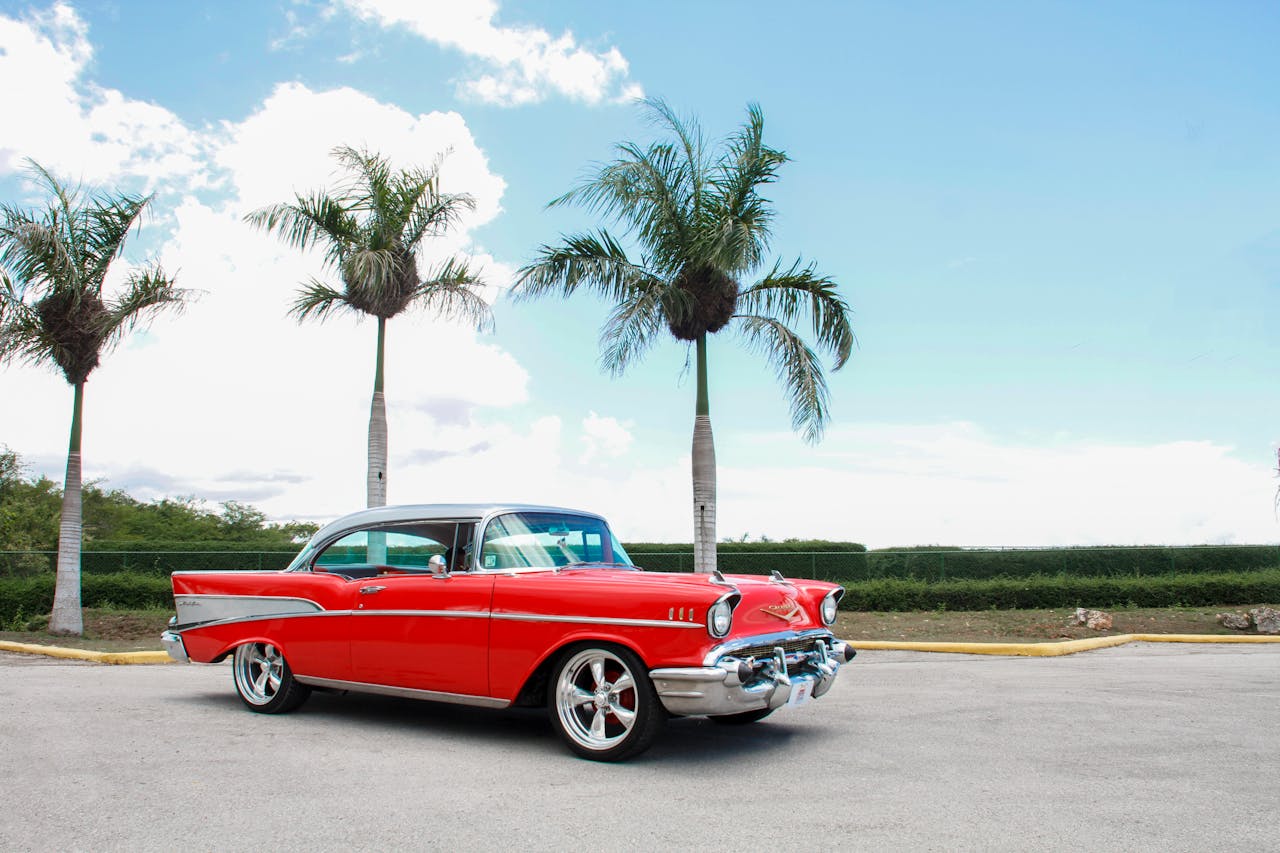
Taking good care of your used Chevrolet is crucial for keeping it running smoothly and extending its life. Regular maintenance not only helps you avoid costly repairs but also ensures that your car stays reliable for everyday use. Whether you’re commuting to work in Brooklyn or taking a road trip, proper upkeep can make all the difference in your driving experience.
One of the simplest yet most important things you can do for your car is to stick to a regular maintenance schedule. This includes timely oil changes, fluid checks, and keeping an eye on essential components like tires and brakes. Neglecting these basic tasks can lead to bigger problems down the road, so it’s wise to stay on top of them.
Another key aspect of car maintenance is keeping your vehicle clean, both inside and out. A clean car not only looks good but also performs better. Dirt and grime can cause wear and tear on your car’s exterior, while a clean interior can prevent issues like mold and allergens. Keeping your Chevrolet in top shape requires a little effort, but the benefits are well worth it.
Regular Oil Changes and Fluid Checks
Importance of Timely Oil Changes
Changing the oil in your Chevrolet at regular intervals is vital for keeping the engine in top condition. Fresh oil lubricates the engine’s moving parts, reducing friction and preventing unnecessary wear. Over time, the oil can become dirty and less effective, leading to potential engine damage. Following the manufacturer’s recommended oil change schedule can help avoid costly repairs and prolong the life of your vehicle.
Checking and Replacing Fluids
Along with regular oil changes, checking and replacing other fluids in your car is essential. This includes coolant, brake fluid, transmission fluid, and power steering fluid. Each fluid has a specific role in ensuring your car operates smoothly. Coolant prevents overheating, brake fluid ensures safe braking, and transmission fluid keeps gears shifting efficiently. Regularly check these fluids and top them off or replace them as needed.
Signs Your Fluids Need Attention
Knowing the signs that your car’s fluids need attention can prevent bigger issues. If your car is overheating, it might be low on coolant. Spongy brakes could indicate low brake fluid, while trouble shifting gears might mean your transmission fluid needs changing. Unusual noises during steering can signal low power steering fluid. Always pay attention to these signs and address them promptly to keep your Chevrolet running properly.
Tire Maintenance
Rotating Tires Regularly
Rotating your tires regularly is crucial for even wear and prolonging their lifespan. Tires wear differently depending on their position on the car, especially if you often drive on rough roads or carry heavy loads. Rotating them every 5,000 to 7,000 miles can ensure even tread wear, giving you a smoother ride and better handling.
Checking Tire Pressure and Tread
Maintaining the correct tire pressure improves fuel efficiency and safety. Under-inflated tires can cause poor gas mileage and increase the risk of tire blowouts. Use a tire pressure gauge to check the pressure monthly and before long trips. Additionally, check the tread depth to ensure your tires have enough grip, especially in wet conditions. A simple way to check tread is using the penny test. Insert a penny into the tread grooves; if you can see the top of Lincoln’s head, it’s time to replace the tires.
Benefits of Proper Tire Care
Proper tire care offers numerous benefits, from improved gas mileage and safer handling to extending the life of your tires. Well-maintained tires reduce the risk of accidents and make your driving experience more comfortable. By keeping an eye on tire pressure, tread depth, and rotating them regularly, you ensure your Chevrolet performs at its best and keeps you safe on the road.
Brake System Checks
Inspecting Brake Pads and Rotors
Taking the time to inspect your brake pads and rotors can save you from serious safety issues. Brake pads and rotors wear down with use and need regular inspection. Look for thinning pads and any grooves or uneven spots on the rotors. These signs indicate it might be time for a replacement. Brake pads usually need changing every 25,000 to 70,000 miles, depending on your driving habits and conditions.
Recognizing Signs of Brake Wear
Knowing the signs of brake wear can help you address problems before they become serious. Listen for squealing or grinding noises when braking, which often mean worn-out pads. If your car vibrates when you brake, it could signal warped rotors. A longer stopping distance or a spongy brake pedal may also indicate it’s time to check the brake system. Never ignore these signs, as they can compromise your safety.
When to Seek Professional Help
Sometimes, professional help is necessary to ensure your brakes are functioning correctly. If you notice any signs of brake problems, visit a qualified mechanic immediately. Regular inspections by a professional can also catch issues early, keeping your brakes in top shape. Your brakes are vital for safety, so don’t hesitate to get expert help when needed.
Keeping Your Car Clean Inside and Out
Washing and Waxing Your Vehicle
Regularly washing and waxing your Chevrolet will keep it looking great and protect the paint. Wash your car at least once a month to remove dirt and grime that can damage the finish. Waxing every few months creates a protective barrier against environmental factors, such as UV rays, road salt, and bird droppings. This simple routine can prevent rust and preserve your car’s exterior.
Cleaning the Interior Regularly
Just as important as the exterior, keeping the inside of your car clean is essential for comfort and health. Vacuum the seats and carpets to remove dust and debris. Wipe down surfaces like the dashboard, steering wheel, and doors to prevent the buildup of dirt and bacteria. Cleaning the interior not only keeps it looking nice but also helps maintain the value of your car.
Benefits of a Clean Car for Long-Term Maintenance
Keeping your car clean, inside and out, provides several long-term benefits. A clean exterior prevents rust and paint damage, while a tidy interior can avoid wear and tear on seats and surfaces. Regular cleaning helps identify potential issues early, such as leaks or cracks, before they become major problems. Overall, a clean car enhances your driving experience and ensures it stays in top condition.
Conclusion
Maintaining your used Chevrolet involves more than just occasional checkups. It’s about establishing a consistent routine that covers all vital aspects of your car. By focusing on regular oil changes, tire maintenance, brake checks, and keeping your car clean, you can ensure your vehicle stays reliable, safe, and efficient. Paying attention to these details will help prolong the life of your Chevrolet and enhance your driving experience.
To start applying these maintenance tips and keep your Chevrolet in top shape, visit Advantage Chevrolet. Our expert team of Chevrolet dealers in New York is ready to assist you with all your car care needs, from routine maintenance to major repairs. Schedule a service appointment today and experience the Advantage Chevrolet difference!
Finding the best deal on a Chevrolet in 2024 can be a rewarding experience if you know where to look and what to do. A good deal involves more than just a low price; it includes incentives, timing your purchase, understanding financing options, and negotiating effectively. With a bit of knowledge and planning, you can drive away with a fantastic deal on your next Chevrolet.
One of the first steps in securing a great deal is exploring various available incentives and rebates. Car manufacturers and dealerships often provide attractive discounts and promotions to entice buyers. Knowing how to locate and combine these offers can significantly reduce your overall cost. Timing your purchase is another crucial factor; there are specific times of the year when you are more likely to find substantial discounts.
Financing plays a major role in the total expense of your vehicle. Understanding the difference between loan and lease options and the benefits of manufacturer financing can help you choose the best financial plan. Lastly, arming yourself with the right negotiating tips and strategies ensures you get the most value out of your trade-ins and purchases. All these elements together form the ultimate guide to finding the best Chevrolet deals in 2024.
Exploring Incentives and Rebates
Types of Incentives Available
When shopping for a new Chevrolet, it’s important to know the types of incentives available. Manufacturer incentives often include cash rebates, low APR financing, and lease offers. Cash rebates are direct discounts deducted from the vehicle’s price. Low APR financing provides attractive interest rates, making it cheaper to borrow money for your car purchase. Lease offers may feature reduced monthly payments and favorable terms.
How to Find Current Rebates on Chevrolet Models
Staying updated on current rebates and incentives can help you make a smart purchase. Check the Chevrolet website and dealer promotions for the latest offers. Manufacturer websites often list available incentives by model and location. Additionally, subscribing to dealership newsletters or following them on social media can help you stay informed about exclusive deals and limited-time offers.
Maximizing Savings with Combined Offers
Combining various incentives can maximize your savings. For instance, you can stack cash rebates with low APR financing for significant discounts. Some dealerships may also allow you to use manufacturer incentives alongside their own promotions. Always inquire about the possibility of combining offers to ensure you’re getting the most value for your purchase.
Timing Your Purchase for the Best Deal
Best Times of the Year to Buy a Chevrolet
Timing your purchase can significantly impact the deal you get. The end of the year, especially December, is often the best time to buy a car. Dealerships are trying to clear out the current year’s models to make room for incoming inventory. Additionally, the end of each quarter (March, June, September, and December) can also provide opportunities for excellent deals as sales teams aim to meet their quotas.
Importance of End-of-Month and End-of-Year Sales
At the end of the month, salespeople are often eager to meet their targets and may offer better deals to close sales. Similarly, end-of-year sales events can offer substantial discounts as dealerships look to hit annual targets and clear out previous year models. Keep an eye out for these periods to take advantage of larger incentives and more flexible negotiations.
Tips on Buying During Holiday Weekends
Holiday weekends such as Memorial Day, Fourth of July, Labor Day, and Black Friday are known for big sales events. These holidays often come with special promotions, increased rebates, and additional incentives. Car buyers can find significant discounts and favorable financing terms during these times. Plan your visit to the dealership during these holiday weekends to secure a great deal on your next Chevrolet.
Understanding Financing Options
Comparing Loan vs. Lease Options
When financing a Chevrolet, you typically have two options: getting a loan or leasing. A loan allows you to own the car outright once you’ve paid it off. This is great for those who plan to keep their vehicle for many years. On the other hand, leasing generally has lower monthly payments and allows you to drive a new car every few years. However, mileage limits and potential wear and tear fees could add up. Understanding the differences will help you decide which option suits your needs and budget.
Benefits of Manufacturer Financing
Manufacturer financing often provides attractive terms that can make your purchase more affordable. Chevrolet, for instance, may offer special low-interest rates or zero-percent financing for qualified buyers. This can reduce your overall cost compared to securing a loan through a bank or credit union. Additionally, manufacturer financing promotions sometimes include extra incentives or cashback offers, adding to your savings.
Steps to Pre-Qualify for the Best Rates
Before you visit the dealership, it’s a good idea to get pre-qualified for financing. Start by checking your credit score, as this will influence your loan or lease terms. Next, gather necessary documents like proof of income and residence. Contact your bank or use online pre-qualification tools to understand what rates you might qualify for. Being pre-qualified gives you a financial advantage and helps streamline your buying process at the dealership.
Negotiating Tips and Strategies
How to Research and Prepare for Negotiations
Preparation is key when negotiating a car deal. Start by researching the current market value for the Chevrolet model you’re interested in. Websites providing vehicle pricing data can be helpful. Know the invoice price and the dealer’s cost for the car. Having this information enables you to negotiate from a position of knowledge. Also, be aware of any ongoing promotions or rebates, as these can be leveraged in your discussions.
Key Points to Discuss with the Dealer
When you’re ready to negotiate, focus on several key points. First, make sure you negotiate the car’s price before discussing any financing or trade-in deals. Clarify all fees and ensure nothing extra is added to your bill. Discuss available incentives and any potential for combining them to maximize savings. Lastly, be open about your budget and what you feel comfortable with in terms of monthly payments and overall price.
Making the Most of Trade-Ins and Add-Ons
Your trade-in vehicle can be a valuable asset in negotiations. Research its market value beforehand so you have a baseline figure. Present your car in the best possible condition to increase its trade-in value. Additionally, be cautious with add-ons like extended warranties or optional features. While some may enhance your vehicle’s value, make sure they are necessary and within your budget. Discuss these items transparently with the dealer to integrate them favorably into your deal.
Conclusion
Securing the best Chevrolet deal in 2024 involves more than just finding a low price. Thoroughly researching incentives, timing your purchase right, exploring financing options, and negotiating effectively are all crucial steps. By following these guidelines, you can ensure that you drive away in a Chevrolet that suits your needs and budget, while also maximizing your savings.
If you’re in Brooklyn and ready to find an excellent deal on a Chevrolet in New York, visit Advantage Chevrolet. Our team is dedicated to helping you find the best vehicle at the best price. Check out our latest offers and let us help you get behind the wheel of your dream car today!
Connect with us


